
The Royal Roots of the Family Office: A Tale of East and West
When we trace the origins of the modern "Family Office," we often look to the royal courts of Europe, where dedicated stewards managed the private wealth of kings and nobles, or to legendary dynasties like the Medicis.
But wealth preservation is a universal language. If you look across the globe, you will find that ancient Chinese emperors and prominent clans were operating their own highly sophisticated "Family Offices" at the exact same time.
While the terminology we use today is modern, the core functions of a Family Office—asset isolation, family governance, and trusts/philanthropy—were deeply embedded in both European and Chinese imperial history. Let's look at how this played out in ancient China:
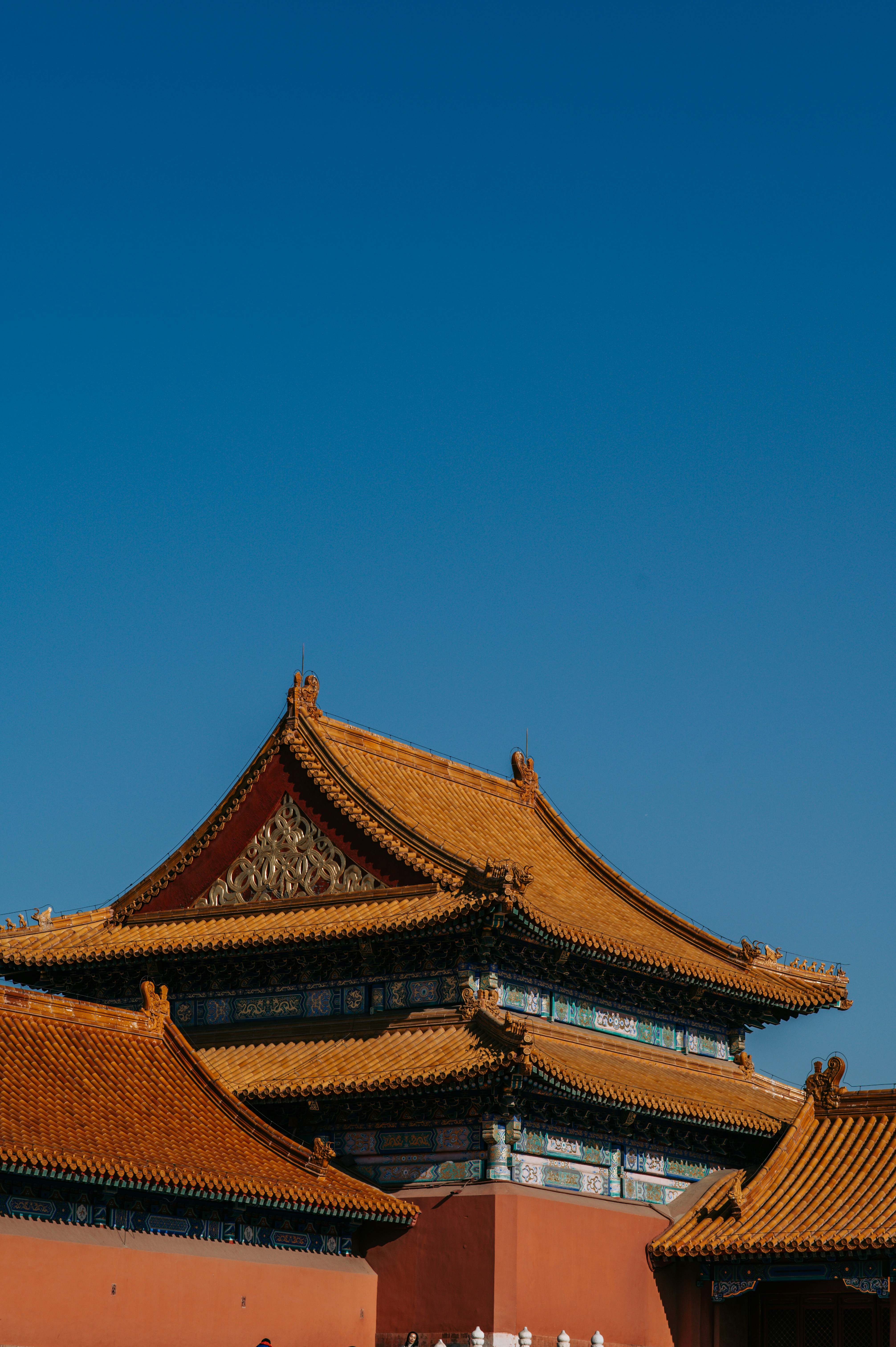
🏛️ 1. Asset Isolation: The Imperial "Single Family Office" A common pitfall in wealth management is mixing corporate (or state) and personal assets. Both European and Chinese royalties knew how to separate them. In the Qing Dynasty, state finances were strictly managed by the Ministry of Revenue, while the Emperor's private wealth was handled by the Imperial Household Department (Neiwufu). This department managed royal estates and the living expenses of the imperial bloodline—essentially operating as a massive Single Family Office to isolate "state risk" from "family wealth."
📜 2. Family Trusts & Philanthropy: An 800-Year-Old "Charitable Estate" Long before modern trust laws were drafted, prominent Northern Song dynasty minister Fan Zhongyan (in the 11th century) used his life savings to establish the "Fan Clan’s Charitable Estate." He purchased over a thousand acres of prime farmland to serve as "trust assets." The rental yields sustainably funded the clan’s education, living expenses, and social safety net for nearly 800 years. It was a perfect early blueprint for family trusts and sustainable philanthropy.
⚖️ 3. Family Governance: The Ancient "Family Constitution" A successful Family Office manages human capital as much as financial capital. Similar to how European nobles had strict codes of conduct, Chinese clans relied on codified "Family Instructions" (such as the famous Family Instructions of Master Yan). These governance documents set strict behavioral codes and established core values, ensuring that cultural wealth was transferred alongside material wealth.
The Family Office isn't just a product of modern Wall Street, nor is it an exclusive heritage of European royalty. It is the result of a parallel evolution in human history.
Whether in European castles or the Forbidden City, the pursuit of enduring, multi-generational prosperity is timeless. The legal tools we use today are new, but the wisdom behind them has been tested by emperors and kings for centuries.